Showing posts with label medical training. Show all posts

Thursday, November 7, 2013

The Lungs and I

In my senior (third) year of internal medicine training, I decided I wanted to be in pulmonary medicine. I loved the physiology of lung function, the intricate anatomy of delicate lung tissue surrounding the bronchial tree, and the range of diseases that affected the lungs. The dual purposes of lung - oxygenation and immune response - are critical to survival.

I worked in the pulmonary division at Hopkins during that last year, helping with research on allergic response by the lungs. I interviewed at my top three choices of pulmonary fellowships, including two in California. The interviews pin-pointed the patient population in the pulmonary division of each institution and the research that dominated their pulmonary labs.

A tangent:  It was 1985. Acquired immune deficiency syndrome (AIDS) had been described only four years before and research into the deadly disease proceeded at a furious pace in most major medical institutions in the world. During my residency I had seen many people diagnosed with the syndrome and followed their rapid deterioration to certain death. I knew that in pulmonary medicine I would encounter many more, since the opportunistic infections that plagued these patients included some unique kinds of pneumonia and cancers that affected lung tissue.

The University of California at San Francisco Medical Center and I chose each other and my fate was sealed. I prepared to spend the next few years in San Francisco doing research that involved putting tiny tubes into hamster lungs. The pulmonary clinic and in-patient unit were filled with AIDS patients, so I knew that would affect my experience there, too.

Then I "fooled around and fell in love". Remember that one? Elvin Bishop? My plan changed radically. I turned down the fellowship and found a great community health center where I could work in Chattanooga. I packed my bags in June 1985 and said "good-bye" to research. My friends teased me about coming home. "Will you go to work in overalls?" "Is there a hospital in Chattanooga?" They reminded me that it was rare for a Johns Hopkins resident to choose a career doing nothing but clinical work, although our residency had emphasized time at the bedside and in the clinic, providing patient care. I found a few excuses that served me well, mostly discussing rodents and research, the preponderance of AIDS patients, and the ickiness of pulmonary secretions. Love was too unscientific to be used as a reason for changing plans.

In the end, I got everything I needed. I wound up in a beautiful city with a progressive, well-educated medical community, the failed love produced a fabulous daughter, and my internal medicine career covered a huge range of medical and social concerns with focus on the people, not the lab. I treated all kinds of pulmonary conditions, from Legionnaire's Disease (Legionella pneumonia) to asthma to sarcoidosis. My practice pre-dated hospitalists so I had plenty of opportunity to manage critical care patients. I diagnosed and treated many HIV-positive and AIDS patients and accepted them into my private office a good deal earlier than any of my colleagues. No part of my Hopkins training went unused.

This post is brought to you by my current coughing, feverish, mucus-rich, annual bronchitis.
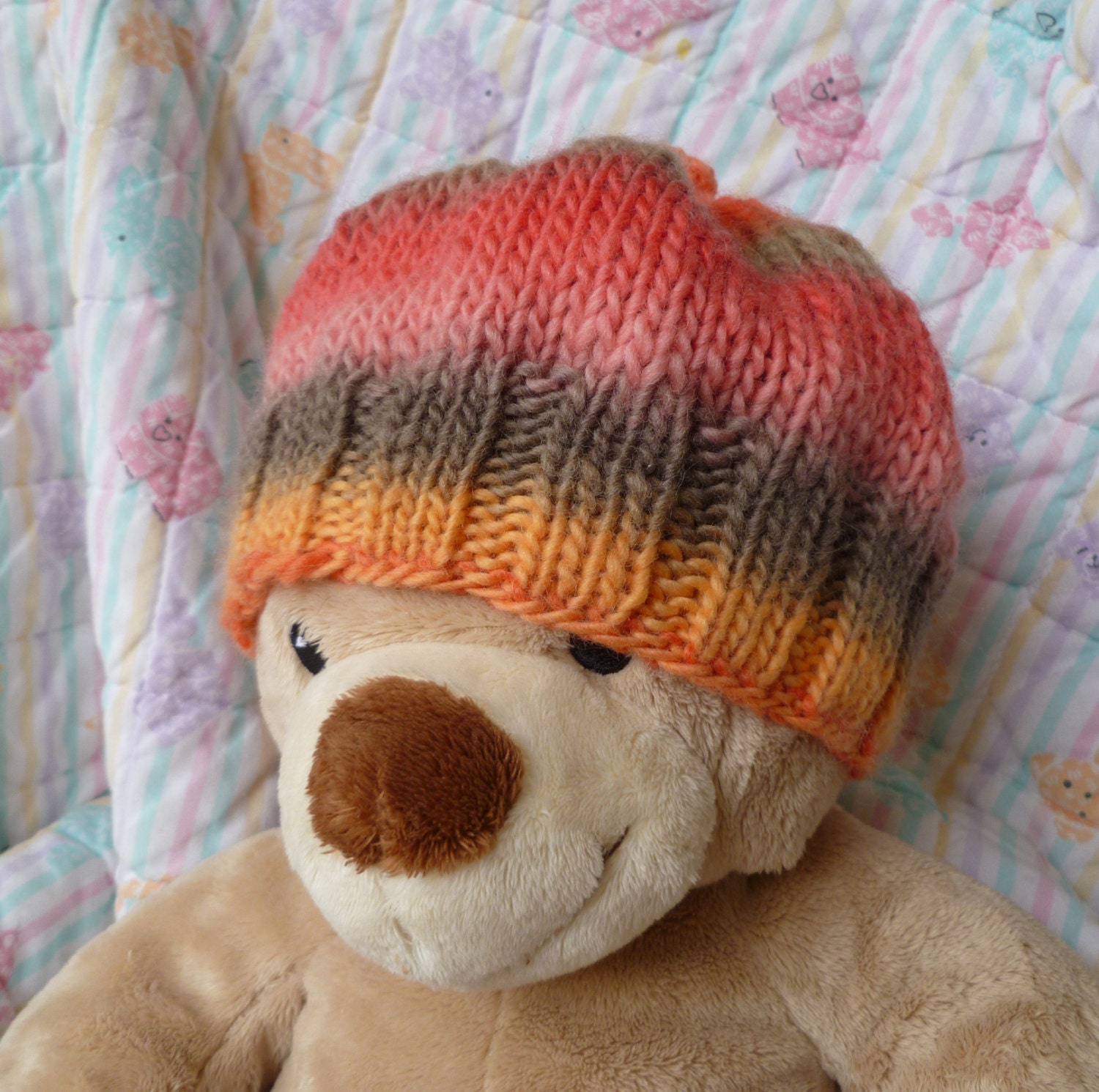
Wear your hat. It's cold outside.

Peace.


Wednesday, July 28, 2010

Training and Dating and Training

"...if you make your resident look bad, she'll torture you until you beg for your mama." Dr. Bailey, surgery resident, season I Grey's Anatomy. Or maybe she'll ask you out.

No matter how much they teach housestaff about boundaries and professionalism, the sad fact remains that-during your residency days-if you don't date someone from the hospital, you have little chance of dating at all. The hallowed, horny halls of Seattle Grace Hospital on Grey's Anatomy are full of resident-attending relationships. That's a pretty sticky pairing, and I only saw one during my three years of internal medicine at Johns Hopkins Hospital. What was much more common was dating between fellow residents, residents and students, house staff and nurses, house staff and other hospital staff...you get the idea. After all, the hospital was full of reasonably educated, young, single-ish people, all conveniently under one roof.

We did occasionally make the effort to diversify our selection pool. Once in a blue moon I would go out to a club with one or two fellow residents and meet some of the local fare. We usually lied about our occupations and claimed to sell shoes at a department store, mindful that many folks had misconceptions about medical residents. Some guys automatically avoided us, expecting a superior attitude and surfeit of brainy wisdom. Others heard "doctor" and expected hefty incomes instead of the meager stipends we were paid. My forays into the real world were never productive. I would drink, dance, have fun with my girls, and go home alone.

So yes, I dated as others did. It was the early '80s, no one was on line, there was no Sunday afternoon speed dating, and the hospital was full of men. Men in hospital world were judged much like men on the outside. We evaluated looks, intelligence (yes, there was some variation-a smart monkey can memorize a good chunk of medical school curriculum), origins, and whether our call schedules matched. We considered whether this was a man that would push to spend the night but forget our name during lunch in the cafeteria or rounds on the ward. Most importantly, did he have any life going on besides the lengthy to-do list of daily patient care. None of us had time for big activities, but we could read, see a movie, talk about hobbies...

Once I developed a friendship with a student and we wound up dating for months. One thing that was perversely in his favor was his ability to understand that only a portion of our internal medicine teaching would help him in his future specialty. Once our offerings crossed that line, he politely excused himself to work on improving in his own specialty or having a healthy life. I was appalled that he didn't want to stay up all night watching a new onset diabetic receive hourly shots of insulin, but he wisely chose to get some sleep. A nice corollary to this behavior was his refusal to memorize medical trivia just to suck up to the attending physician. I've never liked a show-off.

]Peace.