Friday, January 2, 2015
Choosing to Love
Several months ago ("last year" I can say, now that it is 2015), I made a colossal error. I thought I loved someone I didn't know. As I came to know that individual, I knew that neither love nor friendship was possible. Having changed my Facebook status to "in a relationship" (a completely modern and bogus action), I had to eat crow. I spoke loudly and long about the incompatibilities one might find with patient inspection of the potential mate. More quietly, I felt the disappointment of dissolved feelings, and the resignation of things returning to normal. The lovely Irish singer/song writer Gilbert O'Sullivan said it, "Alone again (naturally)."
But I am one of those crazy people who has never accepted that alone is a natural state. Again and again I have ventured into the world of singles-who-desire-mates and searched for the one. Maybe even more crazy is the fact that I neither consider this a matter to be held privately or one to reveal with embarrassment or shame. Solitude can be lovely and enriching, but there should be no shame in saying long-term solitude is not for me.
Having given up the wrong-no, unsuitable is a better word-person, I proceeded to be astounded by the sudden appearance of the right one. Something in me recognized him, felt immediately that he was kindred. I embrace this growing love wholeheartedly, in the manner of one jumping off a cliff with the certainty that wings will grow before she hits the water below.
I once had a therapist who listened to months of my musings about unsuccessful love life and then pronounced that perhaps I just wasn't good at love. Ouch. The better therapist said "You don't have to work so hard at love. The good relationships will be easy." I am grateful for the second therapist and her wise words. She never doused my hopes. She left me with useful information that helps me recognize the validity of my current feelings.
I haven't felt moved to write in many months. Big things happened in 2014, and eventually I will bring them to this forum. Meanwhile, I have chosen to love.
Choosing to love takes love out of the realm of magic, and puts it in our lives in a very conscious, active way. I don't believe that love beats us into submission and rules our response to another human being. Rather, we choose every day, every interaction, to treat that partner in a loving manner. We open ourselves to sharing and transparency. We develop loyalty and commitment. And in the right circumstance, all this happens easily, without the feeling of being repressed, manipulated, or abused. Hallelujah.
This post was written without the intent of harming any human creatures.
Peace. Happy year.


Sunday, October 5, 2014
Turtlefat is Open for Business
It is Sunday, October, cold outside, and I am at home. Yesterday I loaded my car with tables, chairs, my folded pop-up canopy, products, booth sign, and all the other necessary gear for a market day. This morning, as I was dressing, I noticed a 3-inch diameter, red, swollen area with thickened skin on a breast. Any first grader would have said "That doesn't look good." For a few minutes, I kept going, dressing and packing like I was headed to the market. My denial was shattered when I finally realized that an infection that had popped up overnight, enlarging so quickly, demanded staying at home. Next moves: call my rheumatology doctor as soon as it's late enough, monitor my temperature, and decrease activity to a pace for quick healing with minimal upset of lupus.
All of this may seem extreme. With a normal immune system, a tiny pimple doesn't become an abscess and appear overnight in such a well-developed condition. Your immune system kicks in, sends a bunch of white blood cells and antibodies, and the infection is controlled almost before you are aware of its presence. My immunosuppressed condition limits that reaction so I have to be very careful and have infections treated promptly and aggressively. This is not the time to be hesitant about antibiotics.
This was going to be my first Sunday at the Chattanooga Public Market this season. I've got a bunch of fun, beautiful, one of a kind hats and gloves ready, and I'm going to finish putting them in my Turtlefat store. I'm still open for business, even with lupus misbehavin'.
Peace.
All of this may seem extreme. With a normal immune system, a tiny pimple doesn't become an abscess and appear overnight in such a well-developed condition. Your immune system kicks in, sends a bunch of white blood cells and antibodies, and the infection is controlled almost before you are aware of its presence. My immunosuppressed condition limits that reaction so I have to be very careful and have infections treated promptly and aggressively. This is not the time to be hesitant about antibiotics.
This was going to be my first Sunday at the Chattanooga Public Market this season. I've got a bunch of fun, beautiful, one of a kind hats and gloves ready, and I'm going to finish putting them in my Turtlefat store. I'm still open for business, even with lupus misbehavin'.
Peace.
Friday, May 23, 2014
Can I Please Just Be the Patient?
So have I mentioned that 22 years of prednisone can cause severe bone thinning, from osteopenia or osteoporosis? In March and April I went to physical therapy for help with lumbar disc disease. My symptoms improved, my walking distance got much better, and I had a load of fun feeling like an athlete. Every treatment day I walked on a treadmill or rode a recumbent bike or both, until I worked up to 20 to 30 minutes of cardio and began to increase speed. That felt great-me in my black Spandex and long tee and Sauconys, hair on top of my head in a ponytail, towel around my neck-almost like going to the gym.
One day I got up and felt very short of breath. A series of heart and lung tests revealed the cause - multiple right side rib fractures. Seriously, I had broken a bunch of ribs without a trauma stronger than a cough or turning over in bed. That's thin bones.
I'm on calcium and vitamin D now. It could have been avoided, but I made a bad mistake. I acted like a patient. One of the worst things you can experience as a medical professional is for doctors to expect you to manage your own care. Mine have generally been very good about that, treating me like any other patient, keeping things organized and being the ones who check for new problems. Until my bone density studies. They fell through the cracks for seven years. No one ordered one, no one checked the record to see when I'd had one, no one asked me when the last one was. So I didn't have one. Mind you, osteoporosis was one of the reasons I stopped working 12 years ago. It was severe. I was on treatment, we were following DEXAs (bone density studies), it was improving...and then...I don't know. I'd say I dropped the ball, but it wasn't my ball to drop.
In lupus, so much is happening that you need a scorekeeper and spreadsheet to keep up. You keep track of your symptoms-any new ones, any changing ones, how long have they been there, how are you treating them. You pick up prescriptions, report expired ones, take the drugs, use the creams and ointments and eye drops, report side effects or lack of effect. You manage your lifestyle, trying to eat right, get activity, stay social, avoid sun, sleep enough, avoid infection. You manage the finances, trying to get the lifestyle on scant funds, paying the medical bills $10 at a time, begging for funding for new therapies, keeping the lights on and the mortgage up to date. And you manage your attitude, staving off depression, being patient, forbearing, remembering others need kindness, and doing gratitude, always gratitude, because people are telling you "If I hadn't been praying for you all these years, you'd be dead."
I used to tell patients to help take control of their medical care. Ask questions. Participate in decision-making. Read up on your condition or your goals of better health. Work on the lifestyle, be proactive. Make this a preventive effort. But that didn't include "keep track of everything because your doctor won't". It never included "do the doctor's job for her".
Obviously I'm pissed off. Once again, one step forward, six steps back. I don't know enough profanity to express my disappointment and anger.
Peace. Peace-ish.

Saturday, March 1, 2014
Infusion Center Fun
I'm risking a shipload of karma by talking about a funky afternoon at the infusion unit. Any talk of being in the company of cancer patients and receiving a $13,000 drug with the support of a special grant is generally made in a reverential tone. One should be grateful for life, the field of medicine, and the brick and mortar of the local teaching hospital and all its minions. Nevertheless, there are times when the bumpy, un-pretty operation of the whole process exceeds the mandate to remain gracefully silent.

I screwed up my schedule. I'm admitting that up front. The last time I went for treatment, there was a snowstorm, or what passes for one in Chattanooga, Tennessee. After a traumatic afternoon of making a 15-minute trip in two hours, complete with walking in the snow (make that slipping and sliding and falling in the snow) and dragging my disc disease-ridden lower spine up a steep hill by will alone, I lost my appointment card. Going on memory, I planned for the wrong day, and the right day had passed before I called to check and was told to come in Friday, the 28th.
The infusion center, home of cancer patients, hemophiliacs, chronic anemics, and a few auto-immune folk like me, was packed. There was no treatment recliner for me (universe forbid one take their treatment in a regular chair), so I sat on a narrow bench in the hall waiting for a free space. When I was called back and planted in a comfortable recliner, I thought my problems were over. My neighbors were a young Filipino women, sleeping under her hoodie, and and an empty chair. A nurse deftly inserted my IV and I settled in to knit and wait for my medication to be delivered from the pharmacy. The empty chair was soon occupied by a dreadfully thin, very ill-appearing man with one leg amputated. He was accompanied by an equally thin, fidgety woman who constantly asked how he felt and made frequent trips to the nurses station to request various drugs for his comfort. She never removed her sunglasses.
The Filipino girl was rudely awakened by her companion, an even younger girl (sister?) who yanked on her hood and shoved a phone in her ear. They spent much of the remaining time making calls, giggling and sharing the phone, evidently feeling that their noisiness was of no consequence if we couldn't understand their language.
In the interim, the chairs across from me came alive with an older man and woman informing each other about their lengthy illnesses and the trips they took between transfusion therapies. They were on the other side of the room, but I heard every detail about their years-long illnesses and began to contemplate pulling the curtain around my chair to pretend to solitude. Eventually the older woman finished "this mess", as she called her five times a month precious blood transfusions, and left. The man proceeded to fall asleep and snore loudly. With the first snore, the Filipino girls and I stifled laughs and looked at one another with complicity. After he cranked up to louder snores, he began to gargle, adding that liquid, bubbly component to the noise-quite an accomplished snorer he. A sudden crescendo produced audible laughing among us, prompting his wife to turn around humorlessly to find out who dared respond to her dear one's performance.
The skinny man next to me began to mutter about wanting to "puke", and I silently begged him to control that urge, as that activity is my perfect prompt for sympathetic vomiting. There was frantic activity on the part of his woman, who had by then called the doctor's office herself to ask for drugs. Her conversation with the nurses over who called when and what to expect took ten minutes. I beat a retreat to the bathroom in the hall, pushing all my hardware with me, and hoping I could stretch the walk until his problem was resolved. As I sat in the bathroom my infusion monitor beeped "complete" and I breathed a sigh of relief.
I took the slow, winding back way home, happy in my solitude, finally able to laugh over the nutty, chaotic afternoon experience.
The little guy pictured is my version of Piplup. Cuter than chemo.
Peace.
I screwed up my schedule. I'm admitting that up front. The last time I went for treatment, there was a snowstorm, or what passes for one in Chattanooga, Tennessee. After a traumatic afternoon of making a 15-minute trip in two hours, complete with walking in the snow (make that slipping and sliding and falling in the snow) and dragging my disc disease-ridden lower spine up a steep hill by will alone, I lost my appointment card. Going on memory, I planned for the wrong day, and the right day had passed before I called to check and was told to come in Friday, the 28th.
The infusion center, home of cancer patients, hemophiliacs, chronic anemics, and a few auto-immune folk like me, was packed. There was no treatment recliner for me (universe forbid one take their treatment in a regular chair), so I sat on a narrow bench in the hall waiting for a free space. When I was called back and planted in a comfortable recliner, I thought my problems were over. My neighbors were a young Filipino women, sleeping under her hoodie, and and an empty chair. A nurse deftly inserted my IV and I settled in to knit and wait for my medication to be delivered from the pharmacy. The empty chair was soon occupied by a dreadfully thin, very ill-appearing man with one leg amputated. He was accompanied by an equally thin, fidgety woman who constantly asked how he felt and made frequent trips to the nurses station to request various drugs for his comfort. She never removed her sunglasses.
The Filipino girl was rudely awakened by her companion, an even younger girl (sister?) who yanked on her hood and shoved a phone in her ear. They spent much of the remaining time making calls, giggling and sharing the phone, evidently feeling that their noisiness was of no consequence if we couldn't understand their language.
In the interim, the chairs across from me came alive with an older man and woman informing each other about their lengthy illnesses and the trips they took between transfusion therapies. They were on the other side of the room, but I heard every detail about their years-long illnesses and began to contemplate pulling the curtain around my chair to pretend to solitude. Eventually the older woman finished "this mess", as she called her five times a month precious blood transfusions, and left. The man proceeded to fall asleep and snore loudly. With the first snore, the Filipino girls and I stifled laughs and looked at one another with complicity. After he cranked up to louder snores, he began to gargle, adding that liquid, bubbly component to the noise-quite an accomplished snorer he. A sudden crescendo produced audible laughing among us, prompting his wife to turn around humorlessly to find out who dared respond to her dear one's performance.
The skinny man next to me began to mutter about wanting to "puke", and I silently begged him to control that urge, as that activity is my perfect prompt for sympathetic vomiting. There was frantic activity on the part of his woman, who had by then called the doctor's office herself to ask for drugs. Her conversation with the nurses over who called when and what to expect took ten minutes. I beat a retreat to the bathroom in the hall, pushing all my hardware with me, and hoping I could stretch the walk until his problem was resolved. As I sat in the bathroom my infusion monitor beeped "complete" and I breathed a sigh of relief.
I took the slow, winding back way home, happy in my solitude, finally able to laugh over the nutty, chaotic afternoon experience.
The little guy pictured is my version of Piplup. Cuter than chemo.
Peace.
Friday, December 6, 2013
Marketing Makes My Teeth Hurt and Other Stories From Business as a Knitter
Early in retirement, I picked up my knitting needles to make family Christmas gifts. I learned to knit and crochet as a young child, along with embroidery, cross-stitch and sewing. I would have made a good little Victorian girl. I still had my equipment but had to go looking for yarn. I began in craft stores. I had no knowledge of "yarn stores", or the LYS (local yarn store) in knitters lingo. They carried a huge range of mostly artificial fibers, which were a vast improvement on what was available when I was in elementary school. I loaded up and started knitting.
I loved knitting. I could sit for hours working to finish a piece and be ready to start another right after it. The supplies were small and portable, I could keep enough yarn in my house to avoid emergency runs to the craft store, and the knitting motions soothed me and made my pain more tolerable. That was the up side. I knitted and knitted and knitted and finished accessories piled up and I connected my knitting to internet learning and yarn-buying sources and studied my craft and visited every yarn store I could get to, and all was well. I finally opened Turtlefat on the internet, and began selling my wares.
Enter marketing. I was a Girl Scout and sold cookies, and I was a Junior Achievement sales star. In those activities, marketing meant telling your parents and neighbors and friends what you were selling, and they bought some. Usually there was a reciprocal arrangement: I supported your baked sale for the cheer leaders, you bought my JA silk-screened tee. Even early on Etsy.com where my store is established marketing was simple. There just wasn't that much competition. I sold abundantly my first two years, before 10,000 other people decided they needed to join the site. Now, people either stumble over my products doing an exhaustive search for the right yellow hand knit baby sweater, or they go to my store because they are aware of my work.
My idea of marketing is taking my wares to the Chattanooga Public Market on April-November Sundays, chatting with people while they browse, and answering their questions about Turtlefat, knitting in general, a particular product, or the free musical artist of the day. That approach is very dependent on my state of health. I don't think I've attended more than six or seven markets this year, even though I've had excellent volunteer help for the booth set-up chores. So I've looked at alternatives. I placed some items at the Merchants Warehouse in Chattanooga, a fun and easy place to shop, and I've boned up on ways to let people know about my next original alpaca/merino/silk, cabled, lace, ribbed, violet gloves. Sadly, as much as I've read about using social media to get the word out, I'd rather knit a pair of gloves than spend the day photographing them, posting photos, describing them and labeling them.
This year's general decline in health is due to a medication failure, a temporary problem. I've started a new one, so hopefully next year I'll be in shape to go back to the Chattanooga Market and schmooze with my peeps. Meanwhile, I've gotta get on the ball with the photos and words and reminders and all the marketing stuff that makes my teeth ache. I can't even hold still to take a photo without pain, so it takes great resolve to dedicate an hour or two for that task. Wish I could afford to hire a sky writer and rent one billboard. I think that would do it.
Meanwhile, my feet are up and dough is rising and time ticks on, passing through this spell of lupus flares and the rest of life. It's dark now. Have to put off photos 'til tomorrow. Shucks.
Peace.
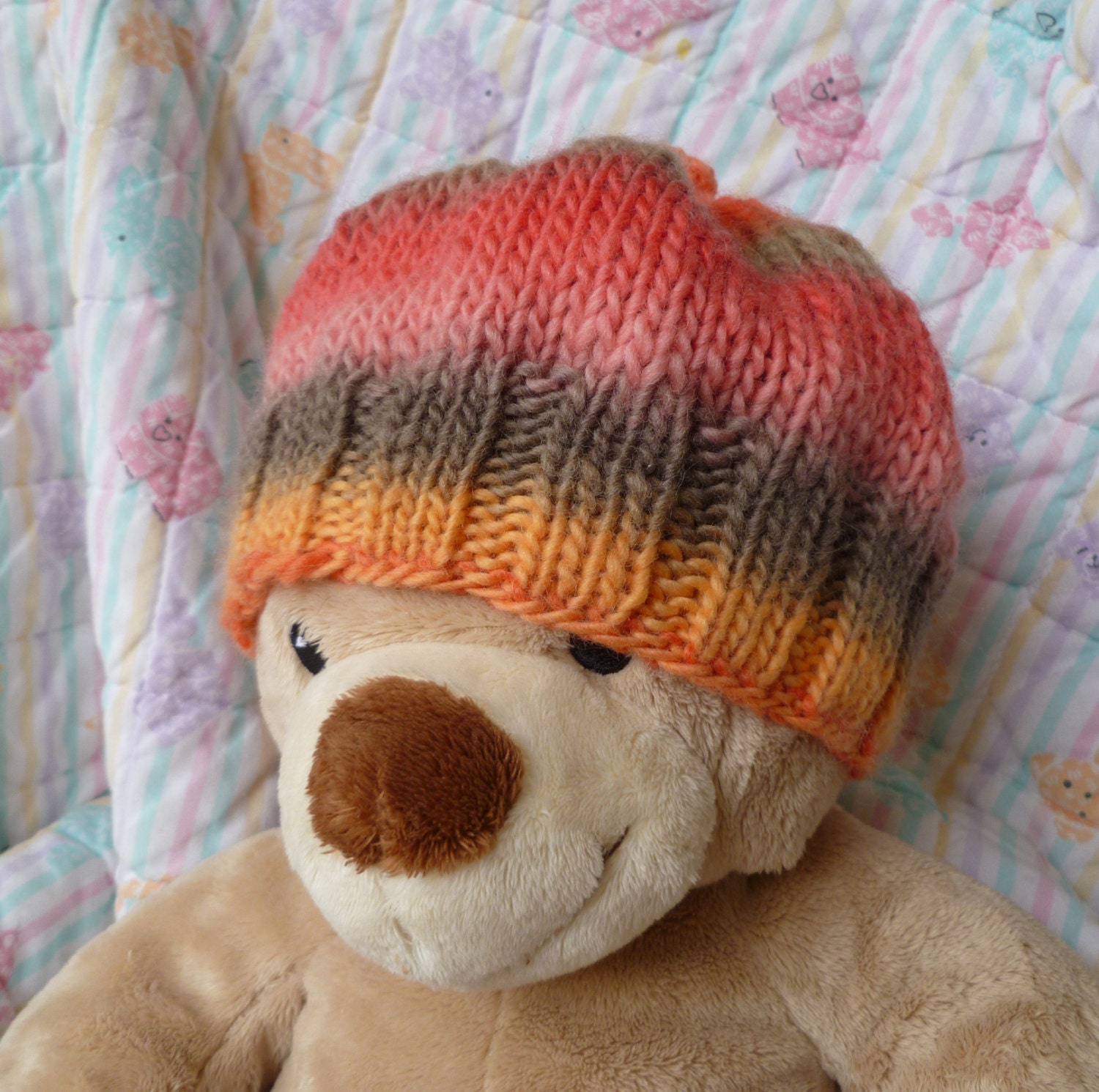
This is me trying on the finished Christmas hat I knit for a friend. She described what she wanted, I worked out a pattern and knitted.

Thursday, November 7, 2013
The Lungs and I
In my senior (third) year of internal medicine training, I decided I wanted to be in pulmonary medicine. I loved the physiology of lung function, the intricate anatomy of delicate lung tissue surrounding the bronchial tree, and the range of diseases that affected the lungs. The dual purposes of lung - oxygenation and immune response - are critical to survival.
I worked in the pulmonary division at Hopkins during that last year, helping with research on allergic response by the lungs. I interviewed at my top three choices of pulmonary fellowships, including two in California. The interviews pin-pointed the patient population in the pulmonary division of each institution and the research that dominated their pulmonary labs.
A tangent: It was 1985. Acquired immune deficiency syndrome (AIDS) had been described only four years before and research into the deadly disease proceeded at a furious pace in most major medical institutions in the world. During my residency I had seen many people diagnosed with the syndrome and followed their rapid deterioration to certain death. I knew that in pulmonary medicine I would encounter many more, since the opportunistic infections that plagued these patients included some unique kinds of pneumonia and cancers that affected lung tissue.
The University of California at San Francisco Medical Center and I chose each other and my fate was sealed. I prepared to spend the next few years in San Francisco doing research that involved putting tiny tubes into hamster lungs. The pulmonary clinic and in-patient unit were filled with AIDS patients, so I knew that would affect my experience there, too.
Then I "fooled around and fell in love". Remember that one? Elvin Bishop? My plan changed radically. I turned down the fellowship and found a great community health center where I could work in Chattanooga. I packed my bags in June 1985 and said "good-bye" to research. My friends teased me about coming home. "Will you go to work in overalls?" "Is there a hospital in Chattanooga?" They reminded me that it was rare for a Johns Hopkins resident to choose a career doing nothing but clinical work, although our residency had emphasized time at the bedside and in the clinic, providing patient care. I found a few excuses that served me well, mostly discussing rodents and research, the preponderance of AIDS patients, and the ickiness of pulmonary secretions. Love was too unscientific to be used as a reason for changing plans.
In the end, I got everything I needed. I wound up in a beautiful city with a progressive, well-educated medical community, the failed love produced a fabulous daughter, and my internal medicine career covered a huge range of medical and social concerns with focus on the people, not the lab. I treated all kinds of pulmonary conditions, from Legionnaire's Disease (Legionella pneumonia) to asthma to sarcoidosis. My practice pre-dated hospitalists so I had plenty of opportunity to manage critical care patients. I diagnosed and treated many HIV-positive and AIDS patients and accepted them into my private office a good deal earlier than any of my colleagues. No part of my Hopkins training went unused.
This post is brought to you by my current coughing, feverish, mucus-rich, annual bronchitis.
 Wear your hat. It's cold outside.
Peace.
I worked in the pulmonary division at Hopkins during that last year, helping with research on allergic response by the lungs. I interviewed at my top three choices of pulmonary fellowships, including two in California. The interviews pin-pointed the patient population in the pulmonary division of each institution and the research that dominated their pulmonary labs.
A tangent: It was 1985. Acquired immune deficiency syndrome (AIDS) had been described only four years before and research into the deadly disease proceeded at a furious pace in most major medical institutions in the world. During my residency I had seen many people diagnosed with the syndrome and followed their rapid deterioration to certain death. I knew that in pulmonary medicine I would encounter many more, since the opportunistic infections that plagued these patients included some unique kinds of pneumonia and cancers that affected lung tissue.
The University of California at San Francisco Medical Center and I chose each other and my fate was sealed. I prepared to spend the next few years in San Francisco doing research that involved putting tiny tubes into hamster lungs. The pulmonary clinic and in-patient unit were filled with AIDS patients, so I knew that would affect my experience there, too.
Then I "fooled around and fell in love". Remember that one? Elvin Bishop? My plan changed radically. I turned down the fellowship and found a great community health center where I could work in Chattanooga. I packed my bags in June 1985 and said "good-bye" to research. My friends teased me about coming home. "Will you go to work in overalls?" "Is there a hospital in Chattanooga?" They reminded me that it was rare for a Johns Hopkins resident to choose a career doing nothing but clinical work, although our residency had emphasized time at the bedside and in the clinic, providing patient care. I found a few excuses that served me well, mostly discussing rodents and research, the preponderance of AIDS patients, and the ickiness of pulmonary secretions. Love was too unscientific to be used as a reason for changing plans.
In the end, I got everything I needed. I wound up in a beautiful city with a progressive, well-educated medical community, the failed love produced a fabulous daughter, and my internal medicine career covered a huge range of medical and social concerns with focus on the people, not the lab. I treated all kinds of pulmonary conditions, from Legionnaire's Disease (Legionella pneumonia) to asthma to sarcoidosis. My practice pre-dated hospitalists so I had plenty of opportunity to manage critical care patients. I diagnosed and treated many HIV-positive and AIDS patients and accepted them into my private office a good deal earlier than any of my colleagues. No part of my Hopkins training went unused.
This post is brought to you by my current coughing, feverish, mucus-rich, annual bronchitis.
Peace.
Sunday, September 8, 2013
Thoughts on Pain
My medical training did not cover how to live with pain. My hundreds of encounters as a patient did not focus on how to live with pain. Always, the teaching was about getting rid of pain.
When the cause of pain can be fixed-a bullet removed, a broken limb casted, an illness cured or put into remission-it is wonderful. The doctor feels successful, the patient is satisfied and relieved. Often, however, a tentative compromise is achieved-some pain relief, a decrease in severity of the illness, a continued need for treatment and monitoring-producing a distinct change in lifestyle for the person affected. When the change involves chronic or recurrent pain, we need to consider more than which pain pill to grab.
I am writing this from the perspective of one currently in pain. This flare of lupus activity has produced severe joint inflammation, and inflammation produces pain and stiffness. I cannot wait for resolution and write this, because our memory for pain is minimal and my best ideas for dealing with it come when I need creative solutions to my own misery. Later, I will forget the pain so thoroughly that it will seem less important to record this information.
Pain serves one purpose. It helps us know that there is a problem, and sometimes where that problem lives. Otherwise, it is not helpful. It doesn't make us stronger or braver or more kind or understanding. It doesn't enrich our lives and help us notice the small wonders of the world. I have to work hard to keep the pain from making me mean, impatient, unfriendly, sad and helpless. It is a grueling experience. It is humbling in the way that being whipped into submission is humbling-no honor in it.
I am a strong advocate of using pain medicines. We have good ones available and-when a doctor accepts their usefulness and educates herself-they should be used whenever indicated, without prejudice or judgment, once the source of the pain has been determined. I am not writing with the intention of eliminating this practice, but with the desire to supplement it. It is rare for pain medication to completely eliminate pain. The usual "successful" outcome is for pain to be diminished by half or more. That is enough for most people to function well and be relatively comfortable. I am writing about dealing with the space in between, where relief is elusive or delayed.
For me, pain magnifies my "To Do" list. I realize that I am hurting and instantly I see all the things I need to accomplish lined up before me. I start rushing to finish things, trying to beat that imaginary clock that pressures me about getting done before the pain takes over completely. That panic has left me crying and exhausted, unable to do the basic things that will help me be more comfortable. My solution has been training myself to slow down at the first twinge of severe pain-slow down and think. I sit down and work my way through a few questions:
1. Why am I hurting so bad? Did I forget to take a dose of medicine? Have I been neglecting sleep? Is this disease getting worse (do other symptoms exist besides pain)? Am I being affected by some other circumstance like loneliness, money stresses, or the pain of someone close to me?
2. What will make me feel better right this minute? Think heat, cold, position, rest, stretching, a cup of coffee or tea, a more supportive pair of shoes...
3. Can I distract myself for a while? Reading, playing a game, watching an episode of a favorite show, knitting, etc.
4. Can I get a cuddle? My dachshund is curled up like a kidney bean right next to me. She is always good for some snuggling. But you also know someone you can call who has an outlook that makes you feel better. Sometimes it isn't Pollyanna. It can be the one that makes you laugh or the one who commiserates about the ugliness of acrylic yarn.
All of those questions help me when I am at home. If I am away, I think a little differently.
1. What will help me right this minute? A riding cart in the grocery store, putting off this errand until another day, pulling over for a stretch and change of seat position, putting down half this load and making a few slow trips, a cold bottle of water placed against a painful area, the car seat warmer...
and the rest waits until I am home.
Pain is not necessarily good at telling us about function. Sometimes in acute situations it directs us well-it hurts when I try to move this broken arm, so I keep it still, avoiding further injury. Outside of those acute situations, pain can be misleading. For instance, the severity of the pain doesn't always correlate to the severity of the physical problem. A paper cut hurts terribly but is not life-threatening. However, pain makes us anxious, and the worse the pain the more severe the anxiety. I remember this when I have to function in spite of pain, so that I push away the pain and anxiety and continue to do what I must. If I am in the grocery store and pain grips me, I think "Yes, it hurts to walk, but I am not making the inflammation worse when I walk. This pain isn't teaching me anything new, so control the anxiety, breath it out and keep moving."
Just now I went for a cup of coffee and took my meds. My body is saying that this is enough for now. Only one more word.
Peace.
Monday, August 26, 2013
This is a Flare, Isn't It?
It may seem unlikely, but one of the problems I have with systemic lupus is that I can't always tell if I am sick. When I feel a new ache or pain, or have a day that ends in severe fatigue, or "lose" a few words in the recesses of my brain, it may simply be an ordinary day with a few inconvenient symptoms. If the symptoms persist over several days and some tell-tale iconic signs arise, I suspect it is a flare. For me those signs are painful feet, an ache in my sacroiliac joints and feeling feverish in the evening.
Those signs are not very specific and sometimes I am still not sure if the disease is "flaring", or becoming very active. Moreover, I'm attached to my healthy time and dread being sick. 22 years of this cycle has not given me an ounce of real acceptance, only resignation and dread. Frequently this leads to some foot-dragging in acknowledging that I am sick again, and a delay starting the necessary high-dose steroids.
Last week I noticed some symptoms, said "Here it comes," and increased my prednisone immediately. My thoughts floated above the usual anxiety and indecision. I rested when I felt the need, kept as busy as possible and focused on the coming knitting business season. Is this some kind of crazy grown-up thing?
The coming season starts next week when I set up a display of products for sale at the new Merchants Warehouse in Chattanooga. It is home for many local makers and a few small antique sellers. It is my first opportunity in this kind of sales venue, where I rent space in a retail emporium that is open every day, staffed with lovely, welcoming people. I will be free to stay home to design and make new products, with a periodic check on my inventory. Joy! A business change that doesn't require a strong back!
Photos soon.
Peace.
Those signs are not very specific and sometimes I am still not sure if the disease is "flaring", or becoming very active. Moreover, I'm attached to my healthy time and dread being sick. 22 years of this cycle has not given me an ounce of real acceptance, only resignation and dread. Frequently this leads to some foot-dragging in acknowledging that I am sick again, and a delay starting the necessary high-dose steroids.
Last week I noticed some symptoms, said "Here it comes," and increased my prednisone immediately. My thoughts floated above the usual anxiety and indecision. I rested when I felt the need, kept as busy as possible and focused on the coming knitting business season. Is this some kind of crazy grown-up thing?
The coming season starts next week when I set up a display of products for sale at the new Merchants Warehouse in Chattanooga. It is home for many local makers and a few small antique sellers. It is my first opportunity in this kind of sales venue, where I rent space in a retail emporium that is open every day, staffed with lovely, welcoming people. I will be free to stay home to design and make new products, with a periodic check on my inventory. Joy! A business change that doesn't require a strong back!
Photos soon.
Peace.
Friday, August 9, 2013
WTF: In a Good Way
Honestly. Honestly! I could use another phrase here but so far I've managed to keep my blog free of some of my favorite exclamations, but some days really make you wanna say WTF. In a good way.
I burnt my turkey burger (and Lucy's, too), installed the wrong cartridges in my printer and washed my debit card today. Everything came out just fine.
Lucy and I had slightly smaller turkey burgers as I removed the ring of char for discard. She didn't seem to notice the difference, expressing her "this is the best day of my life" attitude as I fed her tiny bites. She's lost a bunch of teeth so she doesn't chew anything if she can help it, so it takes a long time to feed her a burger. A long, happy time.
I had a form to print, fill out and return for my daughter. When I finally realized that the printer was telling me it didn't recognize the cartridges I had installed, I jumped in the car and went to FedEx Kinko's, the small, friendly one near my house. A nice, patient employee kept an eye on me and helped me get past obstacles like how to insert my very clean debit card. An amazing young man refused to take the computer and scanner ahead of me, and I chatted with his mom a bit as I did my scan and email chores. When I finished I bought myself a little bag of m&ms because it was that kind of day. Then I bought one for the nice young man in case he was having that kind of day, too.
The ink cartridge store didn't have the black cartridge I needed, but the man who helped me knew right away what could substitute for it. I wanted to make a commercial for them.
Perhaps the craziest thing is that I've had wild energy all day and none of this made me feel like falling on the bed with exhaustion. It is more remarkable when you consider that my last bio-therapy treatment failed, and I have not replaced it with anything. I've been cruising along for several months on a few milligrams of prednisone a day, and if anything I feel better. Lupus is a capricious disease. I never know if I'm waking to a good day or a bad one, but I appreciate this recent string of good ones.
Peace.
I burnt my turkey burger (and Lucy's, too), installed the wrong cartridges in my printer and washed my debit card today. Everything came out just fine.
Lucy and I had slightly smaller turkey burgers as I removed the ring of char for discard. She didn't seem to notice the difference, expressing her "this is the best day of my life" attitude as I fed her tiny bites. She's lost a bunch of teeth so she doesn't chew anything if she can help it, so it takes a long time to feed her a burger. A long, happy time.
I had a form to print, fill out and return for my daughter. When I finally realized that the printer was telling me it didn't recognize the cartridges I had installed, I jumped in the car and went to FedEx Kinko's, the small, friendly one near my house. A nice, patient employee kept an eye on me and helped me get past obstacles like how to insert my very clean debit card. An amazing young man refused to take the computer and scanner ahead of me, and I chatted with his mom a bit as I did my scan and email chores. When I finished I bought myself a little bag of m&ms because it was that kind of day. Then I bought one for the nice young man in case he was having that kind of day, too.
The ink cartridge store didn't have the black cartridge I needed, but the man who helped me knew right away what could substitute for it. I wanted to make a commercial for them.
Perhaps the craziest thing is that I've had wild energy all day and none of this made me feel like falling on the bed with exhaustion. It is more remarkable when you consider that my last bio-therapy treatment failed, and I have not replaced it with anything. I've been cruising along for several months on a few milligrams of prednisone a day, and if anything I feel better. Lupus is a capricious disease. I never know if I'm waking to a good day or a bad one, but I appreciate this recent string of good ones.
Peace.
Wednesday, July 31, 2013
I Was There
In my experience, when you have lupus, you don't often get to say "I was there". You hear about events after the fact. You are the one who can't volunteer in advance because you don't know if you will wake up healthy on the appointed day, or if your swollen knee will allow you to walk the required distance, or if your energy will abandon you midway through the event. So while everyone else is racking up experiences, you are hearing about them second-hand.
Yesterday the President came to Chattanooga. THE President. Of the United States. And I was there.
I had slept crazily-a long nap the night before, then awake working from 1 to 5 in the morning. My sister called me at 7:30 a.m. waking me from my early morning rest and told me "they" were meeting before 9 a.m. in a mall parking lot to volunteer for the Obama visit. I asked no questions. I showered, dressed and left, pulling on a ball cap as I hurried out the front door. A 12-pack of waters sat in my passenger seat from the previous day's shopping. Good, I was ready.
At the parking lot were organizers from Organizing for Action (formerly Organizing for America). We signed in and were given signs and instructions. My group headed for the industrial complex to station ourselves outside the plant where the President was speaking. I arrived, meandered a bit, and found parking in an undesignated but unblocked street. We posted ourselves at the edge of a large traffic circle directly in front of the plant and settled in to wait. The sister who had wakened me called others to recruit bodies. Most people were excited at the prospect, and eventually joined us, including two more of my sisters. It was the first time the four of us had been together in a couple of years.
As the crowd grew, it was evident that most of us were Obama supporters, although there were many who didn't voice an allegiance but were there because it was an event worth celebrating. The negative voices were a tiny minority in the area where I waited. I met many people, from a 6 month old baby to an older man with an "Old White Guys for Obama" sign. The folks were from as far away as two hundred miles, and many were from places where I know they are in the extreme minority with their progressive views. We exchanged stories about everything from shopping to living in our respective political environments.
The wait quickly grew long and hot. We had arrived knowing that we had at least a three hour wait ahead. Some were very prepared, with coolers and lawn chairs and umbrellas. Others were like me-startled out of bed, rushing to make the event with no time for planning. I was happy for my hat. I had grabbed two waters as I left my car, and had my phone and ID in my pocket. People shared what they had. A young boy passed a hat full of hard candy. A group with a case of water, a man with an umbrella, a few folks with extra chairs, people with live coverage on their phones-all these were shared by their owners to make the wait of others easier. People helped to entertain one another's children and my sisters braided the hair of a young woman who was miserably hot. Occasionally the enthusiasm would bubble over into a chant or song or someone would dance a little. Energy remained high.
Mid-morning a group of young men carrying a huge sign, probably 10 x 12 feet, arrived on our stretch of sidewalk. People strolled down to look at the sign and came back agitated. It was rudely anti-Obama, including a naked caricature of the President. When I went down to look at it, all I could think was that the young men were so young. Three looked like they could barely be 20. A fourth hid a young face behind a huge, bristly beard and might have been all of 30. They were somebody's children. I told them all "Good morning", asked if they had water and felt okay in the hot sun. All answered politely. I made no attempt to discuss politics. I just wanted to make eye contact and share some peace.

In the end, the President was whisked in through the back entrance of the plant without us seeing him. I had watched the live feed as his motorcade approached on the interstate, and my excitement at the proximity of him was not dampened. I'm sure that he knew we were there, that Chattanooga had pulled on its big girl panties and showed up for a civil, warm welcome when it mattered.
Peace.
Yesterday the President came to Chattanooga. THE President. Of the United States. And I was there.
I had slept crazily-a long nap the night before, then awake working from 1 to 5 in the morning. My sister called me at 7:30 a.m. waking me from my early morning rest and told me "they" were meeting before 9 a.m. in a mall parking lot to volunteer for the Obama visit. I asked no questions. I showered, dressed and left, pulling on a ball cap as I hurried out the front door. A 12-pack of waters sat in my passenger seat from the previous day's shopping. Good, I was ready.
At the parking lot were organizers from Organizing for Action (formerly Organizing for America). We signed in and were given signs and instructions. My group headed for the industrial complex to station ourselves outside the plant where the President was speaking. I arrived, meandered a bit, and found parking in an undesignated but unblocked street. We posted ourselves at the edge of a large traffic circle directly in front of the plant and settled in to wait. The sister who had wakened me called others to recruit bodies. Most people were excited at the prospect, and eventually joined us, including two more of my sisters. It was the first time the four of us had been together in a couple of years.
As the crowd grew, it was evident that most of us were Obama supporters, although there were many who didn't voice an allegiance but were there because it was an event worth celebrating. The negative voices were a tiny minority in the area where I waited. I met many people, from a 6 month old baby to an older man with an "Old White Guys for Obama" sign. The folks were from as far away as two hundred miles, and many were from places where I know they are in the extreme minority with their progressive views. We exchanged stories about everything from shopping to living in our respective political environments.
The wait quickly grew long and hot. We had arrived knowing that we had at least a three hour wait ahead. Some were very prepared, with coolers and lawn chairs and umbrellas. Others were like me-startled out of bed, rushing to make the event with no time for planning. I was happy for my hat. I had grabbed two waters as I left my car, and had my phone and ID in my pocket. People shared what they had. A young boy passed a hat full of hard candy. A group with a case of water, a man with an umbrella, a few folks with extra chairs, people with live coverage on their phones-all these were shared by their owners to make the wait of others easier. People helped to entertain one another's children and my sisters braided the hair of a young woman who was miserably hot. Occasionally the enthusiasm would bubble over into a chant or song or someone would dance a little. Energy remained high.
Mid-morning a group of young men carrying a huge sign, probably 10 x 12 feet, arrived on our stretch of sidewalk. People strolled down to look at the sign and came back agitated. It was rudely anti-Obama, including a naked caricature of the President. When I went down to look at it, all I could think was that the young men were so young. Three looked like they could barely be 20. A fourth hid a young face behind a huge, bristly beard and might have been all of 30. They were somebody's children. I told them all "Good morning", asked if they had water and felt okay in the hot sun. All answered politely. I made no attempt to discuss politics. I just wanted to make eye contact and share some peace.
In the end, the President was whisked in through the back entrance of the plant without us seeing him. I had watched the live feed as his motorcade approached on the interstate, and my excitement at the proximity of him was not dampened. I'm sure that he knew we were there, that Chattanooga had pulled on its big girl panties and showed up for a civil, warm welcome when it mattered.
Peace.
Saturday, July 20, 2013
Back Porch Vacation
I woke this morning feeling mellow. I poured my coffee and took it out on the back porch. There I sat, barefoot, in my long black shirt, rocking in a porch chair. I watched Lu make a circuit - up the little hill, along the back fence through the bushes, down the hill by the neighbors' fence, sniffing her way along the perimeter.
I called my baby sister. "I'm on vacation." I could hear her thinking: "Vacation? And she was too broke to make it to family reunion two weeks ago?" I explained my excursion to the porch. "Oh." She was not impressed. In my mind, however, that tiny excursion was a magical journey.
I selected this house to be my "retirement home". Moreover, I chose it to be my sanctuary. It is small, built around a central room that is my lounge, office, entertaining space and kitchen. I feel the walls of this house enclosing me, making a cocoon but in a safe, cozy way, not as a jail, not claustrophobic.
My daughter has a room here. It is in use very seldom this year-less than six weeks. But for her piles of possessions and art supplies, it could be a guest room. There is one more bedroom. In my mind, it is a room of possibilities. It contains the miscellaneous craft supplies, printer, unfinished knitting projects that I haven't yet relegated to organized, efficient storage. But it also has a bed, a desk, a usable closet-the basics of personal space for an as yet unseen visitor or even a permanent companion. The possibilities room.
Here on my couch, I am surrounded by the things that make my life livable-art, books, yarn. A full rack of knives, two crockpots, fruit on the kitchen counters, with a canister of anti-bacterial wipes. Old, broken-in furniture. Homemade curtains. Peace. Perfect peace.
Peace!
I called my baby sister. "I'm on vacation." I could hear her thinking: "Vacation? And she was too broke to make it to family reunion two weeks ago?" I explained my excursion to the porch. "Oh." She was not impressed. In my mind, however, that tiny excursion was a magical journey.
I selected this house to be my "retirement home". Moreover, I chose it to be my sanctuary. It is small, built around a central room that is my lounge, office, entertaining space and kitchen. I feel the walls of this house enclosing me, making a cocoon but in a safe, cozy way, not as a jail, not claustrophobic.
My daughter has a room here. It is in use very seldom this year-less than six weeks. But for her piles of possessions and art supplies, it could be a guest room. There is one more bedroom. In my mind, it is a room of possibilities. It contains the miscellaneous craft supplies, printer, unfinished knitting projects that I haven't yet relegated to organized, efficient storage. But it also has a bed, a desk, a usable closet-the basics of personal space for an as yet unseen visitor or even a permanent companion. The possibilities room.
Here on my couch, I am surrounded by the things that make my life livable-art, books, yarn. A full rack of knives, two crockpots, fruit on the kitchen counters, with a canister of anti-bacterial wipes. Old, broken-in furniture. Homemade curtains. Peace. Perfect peace.
Peace!
Saturday, April 13, 2013
Making Fun in Bad Times
Just now I wrote four paragraphs and accidentally hit an unknown key and it disappeared. That's the theme of the past two months-put in a lot of effort for nothing. I took two chemo treatments that didn't work and had side effects; I put time and attention into a man who clams up under pressure; I began exercising only to find that a flare made it impossible; I prepared a pile of beautiful baby room accessories and clothing and cannot begin the market on time (you can see examples below).
I am in limbo, fighting a flare without specific meds for it. I rarely leave the house due to pain and lack of energy and frequent infection. I can't start the market with my comrades next Sunday. I have prepared and prepared and I can't carry on until something ends this.
I'm still coming to terms with the rituximab failure. Four years ago, that medicine was like a miracle. In a lot of ways it liberated me, making me healthy enough to get out of the house, be with friends and family, build a market business instead of just existing on the internet. Now, one bad treatment cycle and my doctor has stopped it. The next medication choice leads us into uncharted territory.
Today I recognized that creeping self-pity and overwhelming sadness and chose some activities to fight it. I re-read Knit 2 Together, Patterns and Stories for Serious Knitting Fun. Tracey Ullman and Mel Clark put some unusual patterns and fun narrative together, and they seem better and more useful to me now that the first time I read it. I have lots more knitting knowledge and experience and more appreciation for elegant construction and a sense of design humor.
I also pulled out a box of Seinfeld dvds, and I'm going to work my way through several seasons. It is perfect for a knitting accompaniment. There's no action for me to look up and follow. Conversation is the whole show-what happened or didn't happen or should have happened, nothing too banal or trivial to discuss. In my family, where each one's opinion is too important to keep to oneself, this sounds very familiar, and the show makes me laugh like a crazy person.
I have a crockpot of my favorite flageolet beans. Interesting food is more important when you eat alone at home day after day. It's a cheap luxury and one of the few ways I can impact my disease right now.
I've promised myself to keep writing when things are bad. This account should always be about the totality of having this damn disease, not just the triumphal moments.
Peace.


I am in limbo, fighting a flare without specific meds for it. I rarely leave the house due to pain and lack of energy and frequent infection. I can't start the market with my comrades next Sunday. I have prepared and prepared and I can't carry on until something ends this.
I'm still coming to terms with the rituximab failure. Four years ago, that medicine was like a miracle. In a lot of ways it liberated me, making me healthy enough to get out of the house, be with friends and family, build a market business instead of just existing on the internet. Now, one bad treatment cycle and my doctor has stopped it. The next medication choice leads us into uncharted territory.
Today I recognized that creeping self-pity and overwhelming sadness and chose some activities to fight it. I re-read Knit 2 Together, Patterns and Stories for Serious Knitting Fun. Tracey Ullman and Mel Clark put some unusual patterns and fun narrative together, and they seem better and more useful to me now that the first time I read it. I have lots more knitting knowledge and experience and more appreciation for elegant construction and a sense of design humor.
I also pulled out a box of Seinfeld dvds, and I'm going to work my way through several seasons. It is perfect for a knitting accompaniment. There's no action for me to look up and follow. Conversation is the whole show-what happened or didn't happen or should have happened, nothing too banal or trivial to discuss. In my family, where each one's opinion is too important to keep to oneself, this sounds very familiar, and the show makes me laugh like a crazy person.
I have a crockpot of my favorite flageolet beans. Interesting food is more important when you eat alone at home day after day. It's a cheap luxury and one of the few ways I can impact my disease right now.
I've promised myself to keep writing when things are bad. This account should always be about the totality of having this damn disease, not just the triumphal moments.
Peace.


Thursday, April 11, 2013
Slavery Knitting Heritage
Yesterday I picked up a book that's been on my shelf for a long time and began to read. Mighty Rough Times, I Tell You, edited by Andrea Sutcliffe, is a compilation of narratives by former slaves. In the 1920s and 1930s there were a couple of projects designed to get first-hand accounts of slave life by interviewing former slaves who were at least 10 years old by the time of the Civil War. The aim was to record the responses to a standard questionnaire and amass a bank of information from those who knew the institution of slavery best. This could be compared to the Worldwide Shoah Memoirs Collection of Holocaust survivors narratives.
The narratives in Mighty Rough Times, I Tell You were obtained from slaves who resided in Tennessee, and they feel pretty close to home as I read names of towns and rivers that are thoroughly familiar. Tennessee was initially an abolitionist state, and even after 1830 slavery did not exist to the extent that it did in other southern states. That didn't make it any more palatable or less cruel, as the individuals in this book describe.
Early in the book, a woman named Precilla Gray is interviewed. She was raised in Williamson County and passed around to several members of the same family. Describing her first "mistress": "My first mistress had three looms and we had to make clothes for everyone...I was taught to weave, card, spin, and knit..." as well as to do rough field work. Under Missus Snythia, "soon as the chillun was seven years old, they started them knitting...We wore yarn hoods, shawls, and pantalets, which was knit things that come from your shoe tops to above your knees...When the Civil War was starting...I had to knit socks and helps make soldiers' coats."
I picked this book with the grudging feeling that I was getting into something that would be completely unpleasant. It is exciting to find this knitting connection and bits of information about what African-Americans in slavery times were knitting. For instance, who knew that leg warmers (pantalets) were around before the 1970s made them popular outside the ballet world. I have peeked ahead (yes, I know!) and I see the word knitting coming up again. The piece of my past history that began with slavery has some dreadful, evil, inhuman detritus, but it also has knitting!
Peace.
The narratives in Mighty Rough Times, I Tell You were obtained from slaves who resided in Tennessee, and they feel pretty close to home as I read names of towns and rivers that are thoroughly familiar. Tennessee was initially an abolitionist state, and even after 1830 slavery did not exist to the extent that it did in other southern states. That didn't make it any more palatable or less cruel, as the individuals in this book describe.
Early in the book, a woman named Precilla Gray is interviewed. She was raised in Williamson County and passed around to several members of the same family. Describing her first "mistress": "My first mistress had three looms and we had to make clothes for everyone...I was taught to weave, card, spin, and knit..." as well as to do rough field work. Under Missus Snythia, "soon as the chillun was seven years old, they started them knitting...We wore yarn hoods, shawls, and pantalets, which was knit things that come from your shoe tops to above your knees...When the Civil War was starting...I had to knit socks and helps make soldiers' coats."
I picked this book with the grudging feeling that I was getting into something that would be completely unpleasant. It is exciting to find this knitting connection and bits of information about what African-Americans in slavery times were knitting. For instance, who knew that leg warmers (pantalets) were around before the 1970s made them popular outside the ballet world. I have peeked ahead (yes, I know!) and I see the word knitting coming up again. The piece of my past history that began with slavery has some dreadful, evil, inhuman detritus, but it also has knitting!
Peace.
Sunday, March 3, 2013
Finding a Stitch Pattern : Neglected Post from January
I love how things lump together in life. They don't necessarily occur in threes, but if I read an article about sea turtles this week, a friend will mention a documentary or participation in a rescue next week, and maybe I'll find one in my bathtub, too. That happened this week with a stitch pattern.
When people talk about knitting, they tell you that you just need to learn two stitches-knit and purl. What they don't mention is that there seems to be an infinite way to put those together to form fabric that functions and looks different. I am knitting an infinity scarf from Noro Cash Iroha, a lovely yarn with the following fiber composition: 40% silk, 30% lamb's wool, 20% cashmere, and 10% nylon. While wool and nylon are fairly elastic fibers, the other two have very, very little. I don't want this scarf to be saggy-it needs to drape, but not hang flaccid-so I'm choosing a stitch pattern that will add its own elasticity. This is a custom order and I cannot spend an infinite time (an infinity scarf is knit in a ring so that it has no ends; the name doesn't come from how long it takes to knit) constructing it. Cabling is attractive, classic and elastic, but takes pretty good time and effort, so I'm going to make faux cables. Faux cables have no real crossing but give the illusion of it. There is a faux cable I used once that I love. It has a pretty, rounded appearance with a little eyelet in the middle. I have looked on and off for this pattern without success. Yesterday I found something close to this in my handy stitch pattern book, but it wasn't exactly what I wanted and when I began to knit a swatch, the book instructions were wrong. I corrected the instructions and made a nice swatch, deciding this was an acceptable pattern to use.
That should be the end of the story. Today, a free pattern offer led me into the Tahki yarn website, and as I scanned several pages of freebies, a sweater appeared with the pattern of faux cables I love. I quickly downloaded the pattern, and it is working beautifully in the swatch I'm knitting.
It is rare that I reveal my true knitting geekiness, but there it is. Stitches matter.
 I held onto this post with the intention of adding a photo of the finished product. My photo isn't great, but you see it. The scarf is long since delivered, and I had forgotten this draft.
Peace.
When people talk about knitting, they tell you that you just need to learn two stitches-knit and purl. What they don't mention is that there seems to be an infinite way to put those together to form fabric that functions and looks different. I am knitting an infinity scarf from Noro Cash Iroha, a lovely yarn with the following fiber composition: 40% silk, 30% lamb's wool, 20% cashmere, and 10% nylon. While wool and nylon are fairly elastic fibers, the other two have very, very little. I don't want this scarf to be saggy-it needs to drape, but not hang flaccid-so I'm choosing a stitch pattern that will add its own elasticity. This is a custom order and I cannot spend an infinite time (an infinity scarf is knit in a ring so that it has no ends; the name doesn't come from how long it takes to knit) constructing it. Cabling is attractive, classic and elastic, but takes pretty good time and effort, so I'm going to make faux cables. Faux cables have no real crossing but give the illusion of it. There is a faux cable I used once that I love. It has a pretty, rounded appearance with a little eyelet in the middle. I have looked on and off for this pattern without success. Yesterday I found something close to this in my handy stitch pattern book, but it wasn't exactly what I wanted and when I began to knit a swatch, the book instructions were wrong. I corrected the instructions and made a nice swatch, deciding this was an acceptable pattern to use.
That should be the end of the story. Today, a free pattern offer led me into the Tahki yarn website, and as I scanned several pages of freebies, a sweater appeared with the pattern of faux cables I love. I quickly downloaded the pattern, and it is working beautifully in the swatch I'm knitting.
It is rare that I reveal my true knitting geekiness, but there it is. Stitches matter.

Peace.
Tricky Immunosuppression: Body Maintenance Work
In this new year, things must change. Last year I worried nonstop and worked frenetically on my few available fronts to stem the political tide of venom and ignorance in this country. This year, I am backing away from politics. I want younger people to see the light and feel the atmosphere and take up the standard. I am going to work on myself. The results are more satisfying.
I'm sure my usual optimistic, cheery demeanor fools many into thinking lupus is like hypertension-take your medication, eat right and exercise, and it's all under control. Last week I took my semi-annual treatment of the B-cell killer. Two days later, after a normal morning preparing breakfast and caring for dog, fatigue hit me and curtailed all my weekend plans. Today I am dealing with a skin infection that developed in a matter of hours from normal skin to a bright red, oozing, malodorous expanse that will require special care for days. I feel like a leper. Does hypertension ever make anyone feel like a leper?
Matters of the immune system are tricky. If medicine is suppressing its function, infections begin with little warning and progress quickly to far beyond what is normal in a non-compromised system. The infection I have would ordinarily be a little itchy redness, not the awful mess that I described. I wouldn't have to pull out all the stops to treat it and prevent it from spreading-my body would handle it for me with minimal help.
Sometimes I tire of being the maintenance crew for this damaged body. I stay away from people when I feel like this. I don't want to hear them talk about the difficulty of finding the right gold dress or how long it took for their plane to arrive. I don't want them to look in my eyes and see that faint suicidal longing that I will not indulge but cannot escape. Yesterday I heard someone close say "I feel like I'm in exile." She thought it was because she was not where she wanted to be, but it is because she is not who she expected to be. I get that.
Peace.
I'm sure my usual optimistic, cheery demeanor fools many into thinking lupus is like hypertension-take your medication, eat right and exercise, and it's all under control. Last week I took my semi-annual treatment of the B-cell killer. Two days later, after a normal morning preparing breakfast and caring for dog, fatigue hit me and curtailed all my weekend plans. Today I am dealing with a skin infection that developed in a matter of hours from normal skin to a bright red, oozing, malodorous expanse that will require special care for days. I feel like a leper. Does hypertension ever make anyone feel like a leper?
Matters of the immune system are tricky. If medicine is suppressing its function, infections begin with little warning and progress quickly to far beyond what is normal in a non-compromised system. The infection I have would ordinarily be a little itchy redness, not the awful mess that I described. I wouldn't have to pull out all the stops to treat it and prevent it from spreading-my body would handle it for me with minimal help.
Sometimes I tire of being the maintenance crew for this damaged body. I stay away from people when I feel like this. I don't want to hear them talk about the difficulty of finding the right gold dress or how long it took for their plane to arrive. I don't want them to look in my eyes and see that faint suicidal longing that I will not indulge but cannot escape. Yesterday I heard someone close say "I feel like I'm in exile." She thought it was because she was not where she wanted to be, but it is because she is not who she expected to be. I get that.
Peace.
Monday, December 31, 2012
Countdown to 2013
2013 is hours away and I am excited. The total toll of 2012 was rough, but it left me with two things: improved physical condition, and a better heart.
Back in the spring, an $11 per month gym caught my attention. Just five minutes from my house and open 24 hours per day, every day of the year, it overcame all of my barriers to exercise. When I began I chose a few minutes on the treadmill and a few strength-building weight machines. I gradually worked up to 20-30 minutes on either the treadmill or recumbent bike, and a regular sequence of upper and lower body weight machines. It only took a month of twice weekly visits for me to notice an increase in leg strength. My endurance increased rapidly, too. I had to stop for a while in late summer and early fall due to a series of skin Candida infections, but I didn't lose the benefits. As I finish the year, I can climb stairs using both legs without relying on the handrail, I can go down stairs without a rail to check my balance, and I get off the floor much more easily.
This conditioning was the basis for my ability to work more frequently at the market. It takes strength and endurance to load and unload, set up and take down all the equipment to make my store each week. In the past I could only do it with a significant amount of help. Now I can go to market alone and handle all my equipment, and a day of working in my store doesn't make me take to my bed for the next three days.
It still remains that my illness can crop up at any minute and change my plans and keep me down for weeks, but it doesn't deplete my strength to the point that I must start from scratch and feel so disabled for so long.
The other benefits are probably obvious - I can get out more with friends, do household chores and run errands, and the additional strength is a confidence builder.
This other thing-the better heart-is a trickier concept. First, let me say that I don't believe that "What does not kill me, makes me stronger". I don't know what Nietzsche was talking about, but I rarely see anyone who damn near died feeling stronger, at least not for a long time. So I don't mean that the crap we were mired in this year left me a stronger person. Instead, the ring of loving people around me helped to protect me from the pervasive crap, and with that protection, I was allowed to grow and do some good and not sink into the mire. Having that special ring of friends and family is a palpable thing for me-in my mind I can feel their love and support, and I know they wish me well. They buoy my daughter and me, share their own strength and heart, so I am not depleted. God is also there, making us all better than the molecules that form our flesh. She infuses us with the desire to stay alive and make life count, to stay connected and be part of that caring circle, feeling and supporting and giving, communing, and altogether radiating something lighter and better.
2013 is for that lighter, better thing. Peace.
Back in the spring, an $11 per month gym caught my attention. Just five minutes from my house and open 24 hours per day, every day of the year, it overcame all of my barriers to exercise. When I began I chose a few minutes on the treadmill and a few strength-building weight machines. I gradually worked up to 20-30 minutes on either the treadmill or recumbent bike, and a regular sequence of upper and lower body weight machines. It only took a month of twice weekly visits for me to notice an increase in leg strength. My endurance increased rapidly, too. I had to stop for a while in late summer and early fall due to a series of skin Candida infections, but I didn't lose the benefits. As I finish the year, I can climb stairs using both legs without relying on the handrail, I can go down stairs without a rail to check my balance, and I get off the floor much more easily.
This conditioning was the basis for my ability to work more frequently at the market. It takes strength and endurance to load and unload, set up and take down all the equipment to make my store each week. In the past I could only do it with a significant amount of help. Now I can go to market alone and handle all my equipment, and a day of working in my store doesn't make me take to my bed for the next three days.
It still remains that my illness can crop up at any minute and change my plans and keep me down for weeks, but it doesn't deplete my strength to the point that I must start from scratch and feel so disabled for so long.
The other benefits are probably obvious - I can get out more with friends, do household chores and run errands, and the additional strength is a confidence builder.
This other thing-the better heart-is a trickier concept. First, let me say that I don't believe that "What does not kill me, makes me stronger". I don't know what Nietzsche was talking about, but I rarely see anyone who damn near died feeling stronger, at least not for a long time. So I don't mean that the crap we were mired in this year left me a stronger person. Instead, the ring of loving people around me helped to protect me from the pervasive crap, and with that protection, I was allowed to grow and do some good and not sink into the mire. Having that special ring of friends and family is a palpable thing for me-in my mind I can feel their love and support, and I know they wish me well. They buoy my daughter and me, share their own strength and heart, so I am not depleted. God is also there, making us all better than the molecules that form our flesh. She infuses us with the desire to stay alive and make life count, to stay connected and be part of that caring circle, feeling and supporting and giving, communing, and altogether radiating something lighter and better.
2013 is for that lighter, better thing. Peace.
Tuesday, December 11, 2012
The End of the World
I anticipate the coming of every new year, usually because I expect it to be the best yet. I must admit that 2012 was very difficult, and I look forward to 2013 mainly because this year will end.
The major problem this year has been our financial strain. It is no secret that the recession (read major depression) of 2008 depleted my nest egg to a level that changed our standard of living. We adjusted our budget, sold the big house and moved into town and into a small but comfortable place that should serve quite well for one or two people. That seemed to work until medical bills began to pile up. Having two chronic illnesses in a family takes its toll. I've been reminded again and again that the USA is unique among western nations in failure to provide adequate health coverage (read universal health care) for its citizens.
For most of the year I lived with the strain of knowing that if this country elected a Republican candidate, things were likely to get much worse. With the measures the GOP planned, I would need to sell my house and move to an apartment, it would end of my daughter's opportunity to complete a college education, and we'd suffer a lack of access to the expensive drugs that keep our household running.
Having a daughter who is a young woman now, I also dreaded the almost daily announcements coming from Republican lawmakers who were pushing to take away her right to equal pay, adequate preventive health measures, and her right to determine for herself when it was right and healthy to have a child. Politicians from the far right were calling her nasty names for being a woman and preventing fellow women from standing up to protect her-even women who were elected officials.
I felt all of this as I came to the realization that being African-American in this country was not as safe as I had come to believe. The racism was palpable during President Obama's entire first term, but worsened and became more open as he campaigned for a second.
The election is over, and we have breathed a collective sigh of relief - those of us who wanted good common sense and adherence to the principles this country was founded upon...those who accept diversity and abhor hatred...those who understand that basic services and rights for all citizens make a more productive, fair, prosperous nation.
The thing is, removing the immediate threat hasn't brought me back to my usual unstressed normal. At times it has felt like the end of the world, and the fatigue that follows a period of severe fear and anxiety doesn't recede with a single night's sleep.
So...I hope that the physical and mental exercise of writing "2013" will be therapeutic for me.
The major problem this year has been our financial strain. It is no secret that the recession (read major depression) of 2008 depleted my nest egg to a level that changed our standard of living. We adjusted our budget, sold the big house and moved into town and into a small but comfortable place that should serve quite well for one or two people. That seemed to work until medical bills began to pile up. Having two chronic illnesses in a family takes its toll. I've been reminded again and again that the USA is unique among western nations in failure to provide adequate health coverage (read universal health care) for its citizens.
For most of the year I lived with the strain of knowing that if this country elected a Republican candidate, things were likely to get much worse. With the measures the GOP planned, I would need to sell my house and move to an apartment, it would end of my daughter's opportunity to complete a college education, and we'd suffer a lack of access to the expensive drugs that keep our household running.
Having a daughter who is a young woman now, I also dreaded the almost daily announcements coming from Republican lawmakers who were pushing to take away her right to equal pay, adequate preventive health measures, and her right to determine for herself when it was right and healthy to have a child. Politicians from the far right were calling her nasty names for being a woman and preventing fellow women from standing up to protect her-even women who were elected officials.
I felt all of this as I came to the realization that being African-American in this country was not as safe as I had come to believe. The racism was palpable during President Obama's entire first term, but worsened and became more open as he campaigned for a second.
The election is over, and we have breathed a collective sigh of relief - those of us who wanted good common sense and adherence to the principles this country was founded upon...those who accept diversity and abhor hatred...those who understand that basic services and rights for all citizens make a more productive, fair, prosperous nation.
The thing is, removing the immediate threat hasn't brought me back to my usual unstressed normal. At times it has felt like the end of the world, and the fatigue that follows a period of severe fear and anxiety doesn't recede with a single night's sleep.
So...I hope that the physical and mental exercise of writing "2013" will be therapeutic for me.
Wednesday, September 19, 2012
Evaluating a New Treatment
Often I am asked about the latest new miracle cure someone has seen in the news or on the Internet. I give the same basic information. There are certain criteria that you can use to evaluate any treatment you encounter. The following is a reply to a friend who asked me about a "cure" for fibromyalgia. I have fibromyalgia (in addition to lupus) and I know it to be a debilitating, painful condition, although not a fatal one. It doesn't surprise me that a patient would search tirelessly for relief. That makes it even more important to think twice when you come across a newly acclaimed therapy. Desperation should never make you fall for a hoax.
Dear _____:
Here's the deal.
Doctors in practice like positive results. Everyone wants to make their patients better, with a minimum of side effects. If a new treatment is promising, and has good research to support it, most doctors will be using it. Anything that hasn't reached that use is because there is some solid reason: either it doesn't work, or it is too dangerous.
I checked out the information on line about Dr. St. Amand's treatment. A tell-tale sign of an illegitimate claim is that it disparages all other possible treatments. Dr. St. Amand's information clearly tries to discredit other treatments for fibromyalgia that have been shown to be effective and that are widely used.
I looked up guaifenesin in some medical references. It has no actions that would help fibromyalgia. It's action is solely on the formation of mucus in the lungs. Fibromyalgia is a disease that affects sensory nerves and the way pain is perceived in the brain. Moreover, guaifenesin is broken down in the liver. Many other drugs that are used to treat auto-immune disorders and fibromyalgia are metabolized in the liver, so adding to its work with another, unnecessary medication is not wise. In addition, guaifenesin is broken down to make lactic acid, a toxin produced by muscle work. What could be worse for fibro?
Don't forget that there is a placebo effect with any medication. I'm sure Dr. St. Amand could find a roomful of people with fibro who had a placebo effect on his regimen and reported feeling better. That doesn't mean the drug works.
Friday, August 17, 2012
Amigurumi Fever
I plead guilty to being AWOL for weeks and weeks. No excuse except the business of life. The busyness of life, too. Since I last wrote I have been
A-advancing my health by going to the gym
L-living more fully in the spiritual realm
I-initiating a new line of products (more below)
V-very much into cultivating a new relationship (no more below)
E-ever so guilty about neglecting this empty space when I have plenty of words in my head
Period.
Amigurumi are adorable stuffed creatures first designed in Japan, more often crochet, sometimes knitted. They feature tight little stitches, oversized heads, and some degree of anthropomorphism (giving human characteristics to non-humans). Beyond that, different makers use different techniques that give their creations the characteristics that they prefer.
I have promised myself for years that I would start making amigurumi. I hesitated because I knew it would take learning some new techniques and I wasn't sure I would enjoy them. A classmate from high school asked me about making them during the holidays, and I put the task in front of me more seriously. I ordered a book on making the cute little suckers and wound up with some basic instructions for the typical body parts - head, trunk, legs. I developed my own ways of dealing with other anatomical features - ears, eyes, bent limbs, tails, hair. As I began to make them, certain rules took root. I didn't want to use plastic sew-on or stick-through eyes. I liked leaving my creatures relatively unadorned and naked. I wanted fantasy colors-a person could be pink or green or orange, and so could dogs, lizards, birds, and every other creature. My people would be unisex. Some creatures would be missing body parts, just like in real life.
Enough talk.


 I've made dozens of these now. Every so often I take out all the unsold ones and set them up on a table and they have a little amigurumi party. It makes me happy.
Peace.
A-advancing my health by going to the gym
L-living more fully in the spiritual realm
I-initiating a new line of products (more below)
V-very much into cultivating a new relationship (no more below)
E-ever so guilty about neglecting this empty space when I have plenty of words in my head
Period.
Amigurumi are adorable stuffed creatures first designed in Japan, more often crochet, sometimes knitted. They feature tight little stitches, oversized heads, and some degree of anthropomorphism (giving human characteristics to non-humans). Beyond that, different makers use different techniques that give their creations the characteristics that they prefer.
I have promised myself for years that I would start making amigurumi. I hesitated because I knew it would take learning some new techniques and I wasn't sure I would enjoy them. A classmate from high school asked me about making them during the holidays, and I put the task in front of me more seriously. I ordered a book on making the cute little suckers and wound up with some basic instructions for the typical body parts - head, trunk, legs. I developed my own ways of dealing with other anatomical features - ears, eyes, bent limbs, tails, hair. As I began to make them, certain rules took root. I didn't want to use plastic sew-on or stick-through eyes. I liked leaving my creatures relatively unadorned and naked. I wanted fantasy colors-a person could be pink or green or orange, and so could dogs, lizards, birds, and every other creature. My people would be unisex. Some creatures would be missing body parts, just like in real life.
Enough talk.


Peace.
Monday, June 4, 2012
A Vest Design
Okay, this is freaky. When I first began to design things to knit, I was excited but apprehensive. I wondered if my design instinct was intact, if my creations had any validity. I was aiming for some originality and whimsy, even in the things that were simply made. I wanted my work to be functional and comfortable but not boring, and as always, fiber choice was supremely important. I am still excited but less worried as time goes on, and today I saw something that totally validated my efforts (to me, at least).

 Two years ago, in April, I drew a diagram (top photo) and sketch for a vest with crossing front panels and a solid back. Above is my diagram and notes in my stitch 'n bitch design journal. I wanted it to be a little loose and flowy. Today I opened my Tahki Stacy Charles newsletter to find the photo above, which they call "Tokyo Vest". It is a free pattern available on their site. The back of their vest is made from two parallel panels (extensions from the front) joined by a narrow band down the middle. Mine is a single piece with V-neck. My front pieces were made for diagonal knitting, not straight as those shown on the Tahki pattern.
Now I must make my vest a reality by finishing the design with the textured lacy panels I envisioned; it has to be knitted into existence. So cool!
Peace.


Now I must make my vest a reality by finishing the design with the textured lacy panels I envisioned; it has to be knitted into existence. So cool!
Peace.
Subscribe to:
Posts (Atom)